


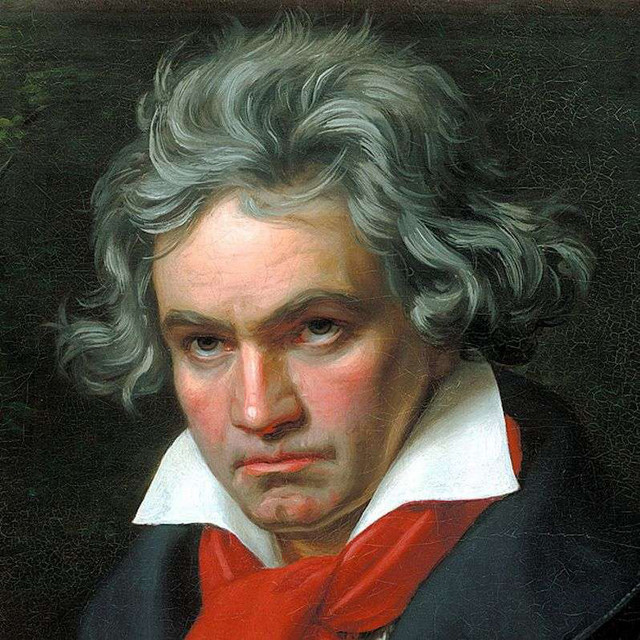

Beethoven: How He Changed Music Forever
There are names in music history that feel larger than life, and then there is Ludwig van Beethoven. Even centuries later, his influence is impossible to escape. When people talk about classical music, innovation, and emotional depth in sound, Beethoven is almost always at the center of the conversation.
- Beethoven: How He Changed Music Forever
- The Early Life of Beethoven
- Beethoven’s Musical Revolution
- Beethoven and the Power of Emotion
- The Struggle That Shaped Beethoven
- Beethoven’s Most Famous Works
- Why Beethoven Changed Music Forever
- Beethoven’s Influence on Modern Music
- The Personality Behind Beethoven
- Challenges Beethoven Faced
- The Transition from Classical to Romantic Music
- Beethoven’s Legacy in Education
- Beethoven in Popular Culture
- Why Beethoven Still Inspires People
- Final Thoughts on Beethoven
But what exactly made Beethoven so special? Why do his compositions still feel powerful today, even in a world filled with modern music styles? The answer lies in his ability to break rules, push boundaries, and express human emotion in a way that had never been done before.
This is not just a story about a composer. It is a story about transformation—of music, emotion, and artistic freedom.
The Early Life of Beethoven
Before Beethoven became a legend, he was a young boy in Bonn, Germany, growing up in a musical household. His father recognized his talent early and pushed him into music training at a very young age.
However, his early life was not easy. It was filled with pressure, discipline, and constant practice. Even as a child, Beethoven was expected to perform at a high level.
Key early influences included:
- Classical training in piano and violin
- Exposure to court musicians
- Early composition practice
- Strict musical discipline
- European classical traditions
Even at this stage, Beethoven showed signs of originality that set him apart.
Beethoven’s Musical Revolution
What truly defines Beethoven is his revolutionary approach to music. Before him, classical music followed strict patterns and rules. Composers were expected to stay within structure and tradition.
But Beethoven changed everything.
He introduced:
- Emotional intensity in compositions
- Unpredictable musical structures
- Longer symphonic forms
- Strong dynamic contrasts
- Deep personal expression
- Innovative harmony usage
In many ways, Beethoven broke the rules so future musicians could create freely.
Beethoven and the Power of Emotion
One of the most important contributions of Beethoven was emotional expression in music.
Before him, music was often elegant and structured, but not deeply emotional. Beethoven changed that completely.
His compositions could feel:
- Powerful and dramatic
- Quiet and reflective
- Joyful and uplifting
- Dark and intense
- Romantic and expressive
This emotional range made Beethoven music feel alive.
The Struggle That Shaped Beethoven
Perhaps the most inspiring part of Beethoven’s story is his struggle with hearing loss.
Imagine being a composer and slowly losing your ability to hear music. That was the reality Beethoven faced in his later years.
Instead of giving up, he adapted.
His response to hearing loss included:
- Composing through internal sound
- Relying on musical memory
- Using vibrations and instruments
- Continuing symphonic composition
- Increasing emotional depth in music
This struggle added even more intensity to Beethoven’s later works.
Beethoven’s Most Famous Works
The legacy of Beethoven is best understood through his compositions, which remain some of the most important pieces in classical music history.
Notable works include:
- Symphony No. 5
- Symphony No. 9
- Moonlight Sonata
- Für Elise
- Symphony No. 6 (Pastoral Symphony)
- Piano Concerto No. 5
- Violin Concerto in D major
Each of these works shows a different side of Beethoven’s creativity.
Why Beethoven Changed Music Forever
The question many people ask is simple: why does Beethoven still matter?
The answer is that he completely changed the rules of composition.
Major contributions of Beethoven:
- Expanded the size of orchestras
- Introduced emotional storytelling in music
- Redefined symphonic structure
- Bridged Classical and Romantic eras
- Inspired generations of composers
- Elevated music to personal expression
Without Beethoven, modern music would look very different.
Beethoven’s Influence on Modern Music
Even though Beethoven lived in the 18th and 19th centuries, his influence continues today.
Areas influenced by Beethoven:
- Film music composition
- Orchestral scoring
- Piano performance standards
- Emotional storytelling in music
- Classical education systems
- Modern symphonic structure
Many film scores today still follow principles introduced by Beethoven.
The Personality Behind Beethoven
Beyond the music, Beethoven had a strong and complex personality.
He was known for being:
- Passionate
- Determined
- Sometimes difficult
- Deeply emotional
- Highly independent
- Fiercely creative
This personality is reflected in every composition Beethoven created.
Challenges Beethoven Faced
The life of Beethoven was not without difficulty.
Major challenges included:
- Hearing loss
- Financial instability early in life
- Personal isolation
- Health issues
- Difficult relationships
- Emotional struggles
However, these challenges often fueled his creativity rather than stopping it.
The Transition from Classical to Romantic Music
One of the biggest contributions of Beethoven was bridging two major musical eras.
Classical era traits:
- Structured compositions
- Balanced forms
- Controlled expression
Romantic era traits:
- Emotional freedom
- Dramatic expression
- Personal storytelling
Beethoven stood between these eras and helped transform music history.
Beethoven’s Legacy in Education
Today, Beethoven is studied in music schools around the world.
Students learn:
- Music theory through his compositions
- Piano technique using his sonatas
- Orchestral arrangement principles
- Emotional expression in performance
- Historical evolution of classical music
His work is foundational in music education.
Beethoven in Popular Culture
The influence of Beethoven extends beyond classical music.
He appears in:
- Films and documentaries
- Advertisements
- Modern music samples
- Cultural references
- Educational content
His legacy remains culturally relevant even today.
Why Beethoven Still Inspires People
The story of Beethoven is not just about music. It is about overcoming limitations.
People admire him because:
- He continued despite hearing loss
- He broke traditional rules
- He expressed deep emotion through art
- He changed music forever
- He created timeless masterpieces
Final Thoughts on Beethoven
The legacy of Ludwig van Beethoven is one of the most powerful in human history. Beethoven did not just compose music—he transformed how music is understood, felt, and experienced.
From his early struggles to his revolutionary compositions, Beethoven proved that creativity can overcome even the greatest challenges.
Even today, Beethoven continues to influence composers, musicians, and listeners around the world. His work reminds us that true art is not just about structure—it is about emotion, courage, and expression.
And that is exactly why Beethoven changed music forever.