


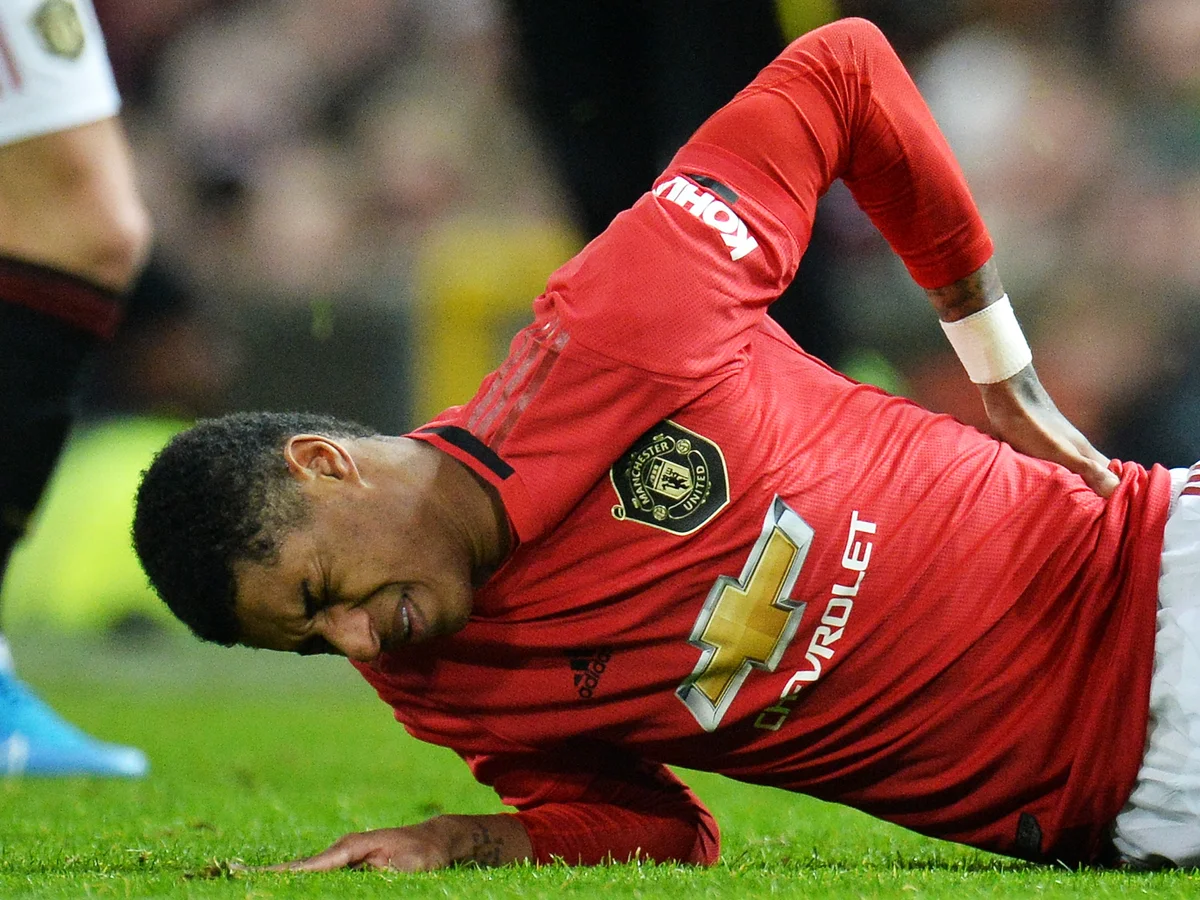

Marcus Rashford Injury: Latest Updates and Recovery Timeline
The Concern Every Fan Shares
When Marcus Rashford injury headlines appear, alarm bells ring across the football world. Whether you follow Manchester United, Barcelona, or the England national team, Rashford’s fitness matters. Over the years, he has become more than just a prolific forward — he’s a symbol of hope, inspiration, and relentless effort every time he steps onto the pitch.
- Marcus Rashford Injury: Latest Updates and Recovery Timeline
- The Concern Every Fan Shares
- Who Is Marcus Rashford?
- What Happened? The Latest Marcus Rashford Injury Update
- Understanding the Injury: Nature and Impact
- Expected Return and Recovery Timeline
- The Broader Picture: Marcus Rashford Injury History
- How Injuries Affect Rashford’s Form and Confidence
- Physical and Mental Preparation for Return
- What Fans Should Expect Going Forward
- BIO: Marcus Rashford
- Expert Perspectives on Injury and Recovery
- Recovery Timeline Snapshot
- Conclusion: Positive Signs Ahead
An injury that keeps a player of his caliber out even for a short period sends fans, pundits, and teammates alike into speculation mode. What happened? How long will he be out? Can he return stronger? In this deep-dive piece, we’ll break down everything we know about the Marcus Rashford injury, track his recovery timeline, explore the impact on his club and international duties, and offer nuanced context around his journey back to full fitness.
Who Is Marcus Rashford?
Before we talk details about his latest Marcus Rashford injury, it helps to understand the man behind the headlines. Marcus Rashford MBE is an English professional footballer born on 31 October 1997 in Wythenshawe, Manchester, England. He plays as a forward and is currently on loan at Barcelona, though he came through the Manchester United academy from a young age and spent much of his career there before the move.
At Manchester United, Rashford was a breakout star, making his first-team debut in 2016 and instantly making headlines by scoring twice on both his European and Premier League debuts. He has also represented England at major tournaments and is known for his activism off the pitch, especially his campaigns against child hunger and poverty.
Today, Marcus Rashford combines athletic excellence with a compelling personal story — which makes any serious injury all the more significant to millions of fans worldwide.
What Happened? The Latest Marcus Rashford Injury Update
Recently, Marcus Rashford’s fitness came into question when he did not feature for Barcelona in matches against Newcastle or Sevilla. Head coach Hansi Flick addressed this by confirming that Rashford had been dealing with a minor injury, and the decision to rest him was precautionary rather than serious. He has reportedly fully recovered and is now available for selection in upcoming La Liga matches.
This latest update significantly changes the narrative for fans tracking the Marcus Rashford injury — instead of prolonged absence, this setback appears to be part of careful load management rather than a career-threatening issue.
Understanding the Injury: Nature and Impact
Minor vs. Major Injuries
In football, injuries range from minor knocks to long-term muscle or ligament damage. With Marcus Rashford, reports point to what has been termed internally as a “minor injury concern”, rather than a structural problem. This tends to fall into the category of soft tissue irritation or slight strain, something that modern medical teams often manage with controlled rest.
These are distinct from more serious conditions like ACL tears or stress fractures, which historically have sidelined players for months rather than weeks.
Training and Fitness Adjustments
During the period Rashford was sidelined in training and matchday selections, Barcelona’s backroom staff focused on controlled exercises, physiotherapy sessions, and gradual reintroduction to high-intensity drills. This approach balances risk, ensuring the player can return fully fit without aggravating the issue.
This careful process is standard for elite clubs managing key talents. It also reflects how seriously modern sports science treats recovery — especially for players as valuable as Rashford.
Expected Return and Recovery Timeline
With the latest update confirming Rashford’s full recovery, the focus shifts to timing and match readiness. According to recent managerial statements, he should be available for selection in Barcelona’s upcoming fixtures, suggesting that the Marcus Rashford injury will not lead to a lengthy absence like those seen with severe muscle or ligament injuries.
What This Means for Barcelona
Barcelona’s coaching staff will still likely monitor his minutes carefully. Even after returning to training, players are often eased back into match action to prevent relapse. This could mean substitutions, limited bouts of full 90-minute games, or tactical rotations built around his fitness levels.
With Rashford back in training and cleared for selection, fans can reasonably expect him to feature in key La Liga and European matches soon — potentially as early as the next available fixture list.
The Broader Picture: Marcus Rashford Injury History
While this latest rashford injury seems minor, it’s helpful to understand his broader injury history and how he’s responded in the past. Rashford has generally enjoyed a strong fitness record throughout his career, but like many modern professionals, he has had occasional challenges with muscle strains and fatigue — the most common issues in top-level football.
Previous Setbacks
Earlier in his career, Rashford faced a stress fracture in his back, which forced him off the pitch during a critical period. That required a more extended absence and illustrated how even the best athletes are vulnerable to the toll of consistent high-level competition.
He’s also had moments where minor knocks or tweaks led to short-term rest periods, which is not unusual given the intensity of training and schedule demands.
How Injuries Affect Rashford’s Form and Confidence
Injuries don’t just affect match availability — they influence confidence, rhythm, and tactical effectiveness once a player is back on the pitch. For a forward like Rashford, whose game relies heavily on pace, sharp movement, and explosive acceleration, regaining full feel for the ball and match sharpness is crucial.
A short-term absence after a Marcus Rashford injury might not be physically significant, but psychologically, players must re-enter competition with the same aggressiveness and belief that defined their pre-injury form.
Physical and Mental Preparation for Return
Physical Workload
Once cleared medically, Rashford’s reintegration into full training would focus on balancing aerobic stamina with anaerobic sharpness. In addition, strength and conditioning drills help rebuild muscle support around areas like hips, hamstrings, and groin — common sites for subtle strain-related injuries.
This multifaceted approach reduces the risk of re-injury and ensures players can endure a full competitive schedule.
Mental Readiness
In addition to physical preparation, mental readiness plays a significant role. Players returning from injury often work with sports psychologists to regain confidence and manage the pressure of expected performance.
Veterans of the game and coaching staff sometimes use simulated match intensity drills to build this mindset back gradually.
What Fans Should Expect Going Forward
Now that Marcus Rashford is available for selection, fans can anticipate his involvement in upcoming matches. Rather than rushing him back prematurely, Barcelona and England’s training staff appear focused on a balanced approach that sustains his fitness across competitions.
This means:
- Gradual return to regular starts
- Rotational playing time early on
- Monitoring via specialized fitness metrics
- Close communication with coaching and medical staff
Such methods are designed to protect a player’s long-term contributions while minimizing the risk of setbacks.
BIO: Marcus Rashford
| Field | Details |
|---|---|
| Full Name | Marcus Rashford MBE |
| Date of Birth | 31 October 1997 |
| Age | 28 |
| Profession | Professional Footballer |
| Nationality | English |
| Net Worth (approx.) | £65 million |
| Notable Works / Achievements | Made impactful debut with Manchester United; England national team caps; Philanthropic activism reward MBE |
Expert Perspectives on Injury and Recovery
Sports medicine professionals emphasize that early detection of injury and immediate management are critical factors in reducing downtime. Modern protocols involve:
- Early imaging and diagnosis
- Personalized rehabilitation plans
- Nutrition that supports muscle repair
- Load monitoring to manage training stress
These practices underpin the current recovery timeline for Rashford and many elite athletes.
Recovery Timeline Snapshot
| Phase | Typical Duration | Focus |
|---|---|---|
| Initial Rest and Rehab | 3–7 days | Reduce inflammation, gentle mobility |
| Strength and Conditioning | 1–2 weeks | Muscle support, stability training |
| Training Integration | 1–2 weeks | Controlled drills, partial match reps |
| Match Ready | 2–3 weeks | Full training and competitive minutes |
Note that individual variances apply; Rashford’s case seems to align with the shorter end of this scale given his full clearance.
Conclusion: Positive Signs Ahead
The story of the Marcus Rashford injury has shifted from uncertainty to reassurance. With recent confirmation that he has recovered and is available for selection, the focus now moves to his return to full match sharpness.
Whether you follow him with Barcelona, support England, or simply enjoy elite football, seeing Rashford back in training and nearing match readiness is encouraging. His resilience, professional attitude, and commitment to recovery reflect not just physical prowess but mental strength — qualities that define his career.
Fans are encouraged to share their thoughts on his return, discuss how his fitness could impact upcoming matches, and celebrate the hard work that goes into every comeback. After all, watching a great player return from injury is one of the most satisfying narratives in sport.