


Lizzo Lawsuit Explained: What Really Happened Behind the Scenes
From the first headlines to court filings, the Lizzo lawsuit has loomed large—inviting media scrutiny, fan debate, and legal intrigue. But headlines often paint in broad strokes. In this article, I’ll walk you through the full picture: the people involved, the allegations, Lizzo response, the stakes, and what the path ahead might look like. Think of this as your backstage pass to understanding the drama beyond the tabloids.
- Lizzo Lawsuit Explained: What Really Happened Behind the Scenes
- Why This Lawsuit Matters
- Who Is Lizzo? (Bio Overview)
- How Did the Lizzo Lawsuit Begin?
- The Legal Proceedings: Motions, Appeals, and Partial Dismissals
- What Lizzo Has Said: Personal Reactions & Emotional Impact
- Key Issues & Legal Questions in the Lizzo Lawsuit
- Possible Outcomes & What Might Happen Next
- Impact on Lizzo Career & Public Image
- Common Misconceptions & Things To Avoid
- Final Thoughts & What You Can Do
- Conclusion
Let’s dive in.
Why This Lawsuit Matters
The Lizzo lawsuit isn’t just celebrity gossip. It touches on issues of power dynamics, workplace culture, boundaries in the entertainment industry, and how public figures are judged in court and court of public opinion. Because Lizzo is admired for her advocacy of body positivity, representation, and empowerment, the allegations carry extra weight—and contradictions become harder to ignore.
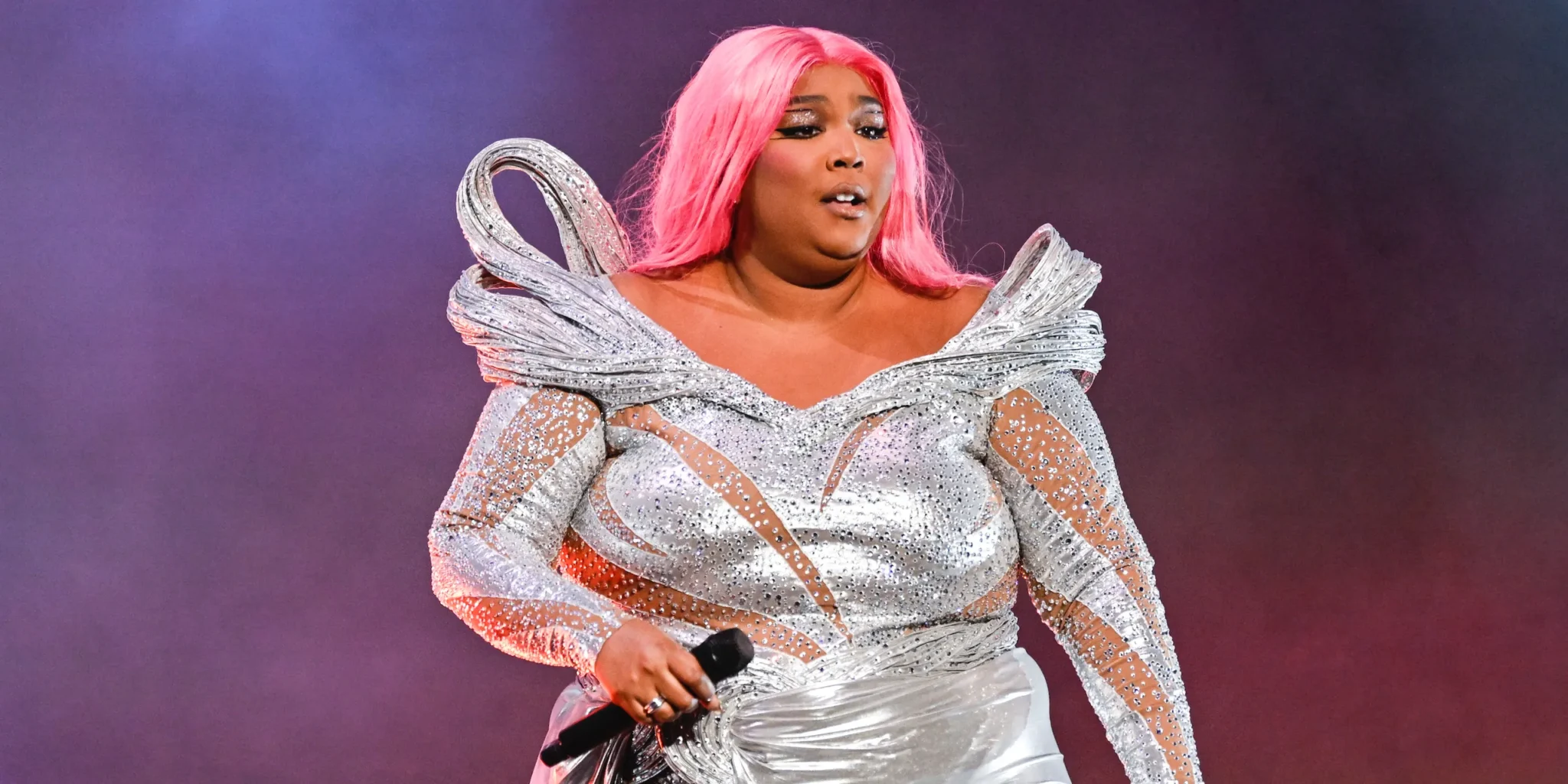
Who Is Lizzo? (Bio Overview)
Here’s a quick snapshot of the artist at the center of this controversy:
| Attribute | Details |
|---|---|
| Full Name | Melissa Viviane Jefferson |
| Date of Birth | April 27, 1988 |
| Age | 37 (as of 2025) |
| Profession | Singer, rapper, flutist, songwriter |
| Nationality | American |
| Net Worth (Approx.) | $20–30 million (estimates vary) |
| Notable Works / Achievements | “Truth Hurts,” “Juice,” “About Damn Time,” Grammy Awards, advocacy for body positivity |
Lizzo influence isn’t just in her music; she’s built a brand around self-love, boldness, and speaking openly about identity struggles. That context matters now more than ever.
How Did the Lizzo Lawsuit Begin?
The Initial Claims (August 2023)
In August 2023, three former backup dancers—Crystal Williams, Arianna Davis, and Noelle Rodriguez—filed suit against Lizzo, her production company, and her dance captain, Shirlene Quigley. They alleged:
-
Sexual harassment
-
Racial harassment
-
Disability discrimination
-
Creation of a hostile work environment
-
Weight-shaming
-
False imprisonment
-
Assault
Among their claims: that Lizzo pressured dancers during a group outing in Amsterdam to attend a red-light district event, compelling participants to interact with nude performers—a situation the plaintiffs said was not strictly voluntary. (This comes from media summaries of the complaint.)
Lizzo called the claims “as unbelievable as they sound” and denied wrongdoing publicly. She said she was blindsided, especially by claims from people she had trusted and supported.
The Asha Daniels Suit (September 2023)
A second lawsuit followed in September 2023, filed by a former wardrobe assistant, Asha Daniels. Her claims included:
-
Racism
-
Fatphobia
-
Denial of medical care
-
Harassment and bullying by staff
-
Toxic, unsafe backstage environment
Notably, this suit targeted Lizzo touring company (Big Grrrl Big Touring Inc.) and payroll entities, not always Lizzo personally.
These two legal threads—one from dancers, one from staff—became the pillars of what’s commonly referred to as the Lizzo lawsuit in public discourse.
The Legal Proceedings: Motions, Appeals, and Partial Dismissals
Early Motions to Dismiss
Lizzo legal team moved quickly. They sought to dismiss parts or all of both lawsuits. In the Daniels case, a federal judge in December 2024 ruled that Lizzo personally could not be sued, citing lack of standing. This effectively removed her as an individual defendant; the case continued against her touring company.
Meanwhile, in the dancers’ suit, Lizzo asked for dismissal, but a Los Angeles judge denied the request in February 2024. Some claims—like the one alleging that Lizzo fat-shamed a dancer—were dropped, but several others survived and remain active.
The Appeal & First Amendment Defense
By mid-2025, Lizzo was appealing a ruling that allowed parts of the dancers’ lawsuit to proceed. Her strategy leaned heavily on free-speech grounds: she and her attorneys have argued that certain alleged conduct—like creative after-show events—are part of her artistic expression and thus protected by the First Amendment.
In court filings, she claimed the lawsuit is “an attack on Lizzo First Amendment right to perform her music and advocate for body positivity.” She described certain events (e.g. gatherings or team-building exercises) as elements of her creative process.
A status conference was scheduled for July 2025 to navigate how the case would proceed. The outcome of that might influence whether a trial happens or further appeals unfold.
What Lizzo Has Said: Personal Reactions & Emotional Impact
When allegations surfaced, Lizzo reacted both publicly and privately. Over the months, she’s shared reflections that offer insight into how deeply the litigation has affected her.
-
She claimed she was “blindsided” by the dancers’ lawsuit, saying she had never anticipated such allegations from people she once gave opportunities to.
-
In an interview, she said she was “deeply hurt” and denied wrongdoing, emphasizing she had no regrets because she believes she “did nothing wrong.”
-
She opened up about her mental state—feeling paranoid, isolated, and disconnected amid the litigation. In one media profile, she admitted she pushed others away and wasn’t fully present emotionally.
-
Later, she described a moment at a concert when a fan’s words pulled her from darkness, reinforcing her decision to continue creating music despite the legal storms.
Those statements have humanized her in the eyes of many fans—even as critics argue she’s trying to control the narrative.
Key Issues & Legal Questions in the Lizzo Lawsuit
When you strip back media spin, a few central legal tensions remain:
1. Voluntariness and Consent
Were events described as optional truly optional, or was there implicit pressure given the power imbalance? That difference can pivot claims between harassment vs. artistic socializing.
2. First Amendment vs. Workplace Conduct
To what degree can creative or performance-related activities be defended as protected expression, and where do they cross into actionable workplace misconduct? Lizzo team argues artistic context should insulate her from some claims.
3. Causation and Proof
Even if behavior occurred, do the plaintiffs offer enough evidence—witness testimony, contemporaneous records, credible corroboration—to satisfy legal burden? Some claims have been dismissed already for lacking specificity or support.
4. Employer Liability & Entity Structure
Given that some claims were brought only against her production company or payroll entities (not Lizzo as an individual), how much liability can be pinned to her personally? The Daniels case already saw a judge remove her as a defendant.
5. Damage & Remedies
What damages do plaintiffs ask for—compensation, punitive damages, workplace reforms, public remediation? And how would a verdict affect Lizzo’s brand, tours, endorsements, and public standing?
Possible Outcomes & What Might Happen Next
Let me walk through scenarios and what each could mean—not predictions, but possibilities grounded in how cases often unfold.
Outcome 1: Case Settles Out of Court
Settlements are common, especially in high-profile cases where both sides prefer to avoid drawn-out media exposure. If that happens, Lizzo or her company might pay damages and possibly issue a public apology or non-disclosure agreement. That would likely be the least disruptive outcome for her current career.
Outcome 2: Case Proceeds to Trial & Verdict
If cases survive appeals and head to jury trial, a verdict could swing either way. A ruling against Lizzo or her company might require large payouts and reputational damage. A defense win, however, would reinforce her legal stance—and might bolster arguments about free-speech protection in creative contexts.
Outcome 3: Partial Dismissals & Appeal Battles
Another wave of motions, appeals, and partial dismissals could whittle down claims without ever reaching full trial. This is a long game, and some cases are essentially litigated into exhaustion.
What the Industry Might Do
Regardless of outcome, the lawsuit may influence how artists and touring crews structure contracts, set boundaries on creative events, and clarify consent. Other stars may watch closely and adjust. The Lizzo lawsuit could become a cautionary case study.
Impact on Lizzo Career & Public Image
This lawsuit has already affected her trajectory, for better and worse.
-
Her 2025 comeback, which she had planned deeply, reportedly “crumbled” in large part due to the legal burden and reputational uncertainty.
-
The leak of allegations and counterclaims has polarized fans and critics. Supporters see her as unfairly attacked; skeptics see a pattern of privilege unchecked.
-
Her openness about mental health and creative struggle during litigation may generate empathy—and humanizes her beyond headlines.
-
On the flip side, endorsements, partnerships, and promotional opportunities may be more cautiously negotiated until legal clarity emerges.
Still, she’s continued to release work and engage with fans, signaling resilience amid turmoil.
Common Misconceptions & Things To Avoid
To make sense of public reaction, here are a few myths and clarifications:
| Misconception | Reality |
|---|---|
| “She’s automatically guilty because she’s famous.” | Fame and visibility don’t equate to culpability. Courts require evidence, not sentiment. |
| “All lawsuits are manipulative publicity stunts.” | While spurious claims exist, many are serious, documented grievances—especially in workplaces. |
| “An apology = guilt.” | Apologies can be risk management tools. They don’t inherently admit legal or moral fault. |
| “Creative freedom means no liability ever.” | Artistic contexts can have limits; expression protections don’t always shield all conduct. |
Final Thoughts & What You Can Do
The Lizzo lawsuit is not just a celebrity drama—it’s a lens on power, accountability, and how public figures and working professionals navigate blurred lines in creative industries. While we wait for legal clarity, what you can do:
-
Read court filings and judgments (if you can access them) instead of relying on clickbait summaries
-
Engage critically: ask what evidence is credible, what remains unchallenged, and what remains contested
-
Watch similar cases to see whether this sets precedent
-
Share your viewpoint—what outcome do you think would be fair, and why?
Conclusion
The Lizzo lawsuit draws us into the messy intersection of art and accountability. The claims are serious, the defenses complex, and outcomes uncertain. What’s clear is this: the way the courts, media, and public respond will ripple through music, performance culture, and legal approaches to celebrity.
If you found this breakdown useful, share it with someone asking “What’s going on with Lizzo lawsuit?” or leave a comment with which legal outcome you think is most likely. I’m curious to hear your take.
Let’s keep the conversation grounded, informed, and respectful—because behind the headlines are real lives and real stakes