


Harlem Renaissance Musicians: 7 Icons Who Shaped Jazz
There’s something electric about jazz when it first hits your ears. It doesn’t just play—it speaks. It bends rules, tells stories, and somehow captures both struggle and joy in a single note. Now imagine a time when that sound was still being born, when creativity felt urgent and culture was shifting in real time. That moment had a name: the Harlem Renaissance.
- Harlem Renaissance Musicians: 7 Icons Who Shaped Jazz
- What Was the Harlem Renaissance?
- Why Harlem Renaissance Musicians Matter Today
- 1. Duke Ellington
- 2. Louis Armstrong
- 3. Bessie Smith
- 4. Fats Waller
- 5. Cab Calloway
- 6. Billie Holiday
- 7. James P. Johnson
- The Sound of Harlem: Key Musical Elements
- Harlem’s Cultural Hotspots
- How Harlem Renaissance Musicians Influenced Modern Music
- Key Takeaways
- Final Thoughts: The Legacy Lives On
At the heart of that movement were the Harlem Renaissance musicians, artists who didn’t just perform music—they redefined it. They turned Harlem into a cultural capital, blending jazz, blues, swing, and improvisation into something entirely new. Moreover, they gave voice to a generation searching for identity, expression, and freedom.
In this article, we’ll explore seven legendary Harlem Renaissance musicians whose influence still echoes today. Their stories are rich, their music timeless, and their impact undeniable.
What Was the Harlem Renaissance?
Before diving into the icons, it helps to understand the environment that shaped them. The Harlem Renaissance was more than an artistic movement—it was a cultural awakening centered in New York City during the 1920s and 1930s.
Key Elements of the Movement
- Explosion of African American literature, art, and music
- Rise of jazz clubs, theaters, and performance venues
- Celebration of Black identity and heritage
- Growth of urban culture and nightlife
In addition, Harlem became a hub for innovation. Musicians experimented freely, blending traditional African rhythms with modern American sounds.
Why Harlem Renaissance Musicians Matter Today
The Harlem Renaissance musicians didn’t just influence their era—they laid the foundation for modern music. Without them, genres like jazz, rhythm and blues, and even hip-hop might look very different.
Their legacy includes:
- Pioneering improvisation techniques
- Expanding musical storytelling
- Breaking racial barriers in entertainment
- Inspiring future generations of artists
Moreover, their work continues to be studied, performed, and celebrated worldwide.
1. Duke Ellington
The Master of Sophisticated Jazz
Duke Ellington stands as one of the most influential Harlem Renaissance musicians. His compositions were elegant, complex, and deeply emotional.
Key Contributions
- Led one of the most famous jazz orchestras
- Created timeless pieces like “Mood Indigo”
- Elevated jazz to an art form
Ellington’s performances at the Cotton Club helped define the era. His music wasn’t just entertainment—it was storytelling.
2. Louis Armstrong
The Face of Jazz Innovation
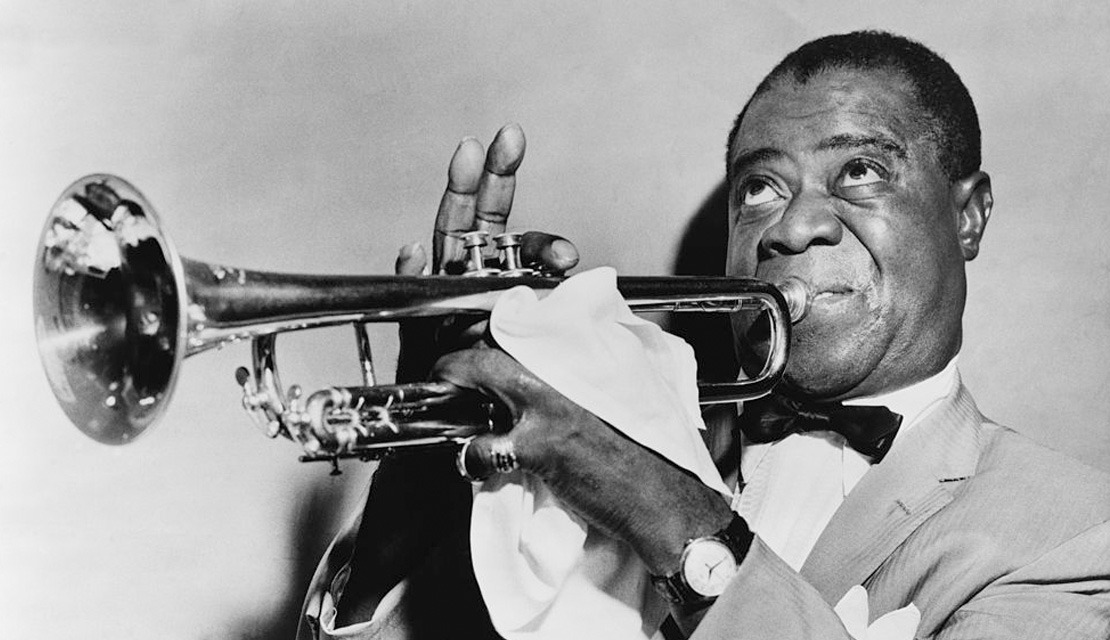
Louis Armstrong brought charisma, skill, and innovation to jazz. His trumpet playing and unique voice changed how musicians approached performance.
Why He Matters
- Popularized solo improvisation
- Introduced a new vocal style
- Became a global ambassador for jazz
Among Harlem Renaissance musicians, Armstrong stands out for his ability to connect emotionally with audiences.
3. Bessie Smith
The Empress of the Blues
Bessie Smith’s powerful voice captured the struggles and triumphs of everyday life. She brought blues into the mainstream and influenced countless artists.
Her Legacy
- One of the highest-paid Black performers of her time
- Known for emotional depth and vocal strength
- Bridged blues and jazz traditions
Her work reminds us that Harlem Renaissance musicians weren’t just about sound—they were about storytelling.
4. Fats Waller
The Entertainer Genius
Fats Waller combined humor, talent, and technical brilliance. His piano style helped define stride piano, a key element of early jazz.
What Set Him Apart
- Energetic performances
- Memorable compositions
- Strong influence on swing music
In addition, Waller’s personality made him a fan favorite, proving that jazz could be both serious and fun.
5. Cab Calloway
The King of Hi-De-Ho
Cab Calloway brought theatrical flair to jazz. His performances were lively, engaging, and unforgettable.
Highlights
- Famous for “Minnie the Moocher”
- Led one of the top big bands
- Known for energetic stage presence
Among Harlem Renaissance musicians, Calloway stood out for blending music with performance art.
6. Billie Holiday
The Voice of Emotion
Billie Holiday’s singing style was deeply personal. She didn’t just sing notes—she told stories with every word.
Why She’s Iconic
- Unique phrasing and timing
- Emotional depth in every performance
- Influence on future vocalists
Her music remains timeless, reflecting both beauty and pain.
7. James P. Johnson
The Father of Stride Piano
James P. Johnson played a crucial role in shaping early jazz. His style influenced countless pianists who followed.
Key Achievements
- Developed stride piano technique
- Composed influential jazz standards
- Mentored future musicians
His contributions show how Harlem Renaissance musicians built the technical foundation of jazz.
The Sound of Harlem: Key Musical Elements
To truly appreciate Harlem Renaissance musicians, you need to understand what made their music unique.
Core Characteristics
- Improvisation and spontaneity
- Syncopated rhythms
- Blend of blues and jazz elements
- Expressive vocals and instrumentation
Moreover, these elements created a sound that felt alive—constantly evolving and never predictable.
Harlem’s Cultural Hotspots
Music didn’t exist in isolation. It thrived in specific spaces that brought people together.
Famous Venues
- Cotton Club
- Savoy Ballroom
- Apollo Theater
These locations became cultural landmarks, where Harlem Renaissance musicians performed and experimented.
How Harlem Renaissance Musicians Influenced Modern Music
The influence of Harlem Renaissance musicians extends far beyond their time.
Lasting Impact
- Shaped modern jazz and swing
- Influenced rock, soul, and hip-hop
- Inspired global music movements
In addition, their work continues to be sampled, studied, and celebrated.
Key Takeaways
To sum it up, Harlem Renaissance musicians:
- Redefined jazz and blues
- Broke cultural and racial barriers
- Created a lasting artistic legacy
- Inspired generations of artists
Their influence is still felt in today’s music industry.
Final Thoughts: The Legacy Lives On
The story of Harlem Renaissance musicians is more than history—it’s a living legacy. These artists didn’t just create music; they created identity, culture, and possibility.
When you listen to jazz today, you’re hearing echoes of Harlem. You’re hearing courage, creativity, and a refusal to be silenced.
So next time you press play, take a moment to appreciate where it all began. And if this journey into the world of Harlem Renaissance musicians inspired you, share your thoughts, pass it along, and keep the conversation alive.